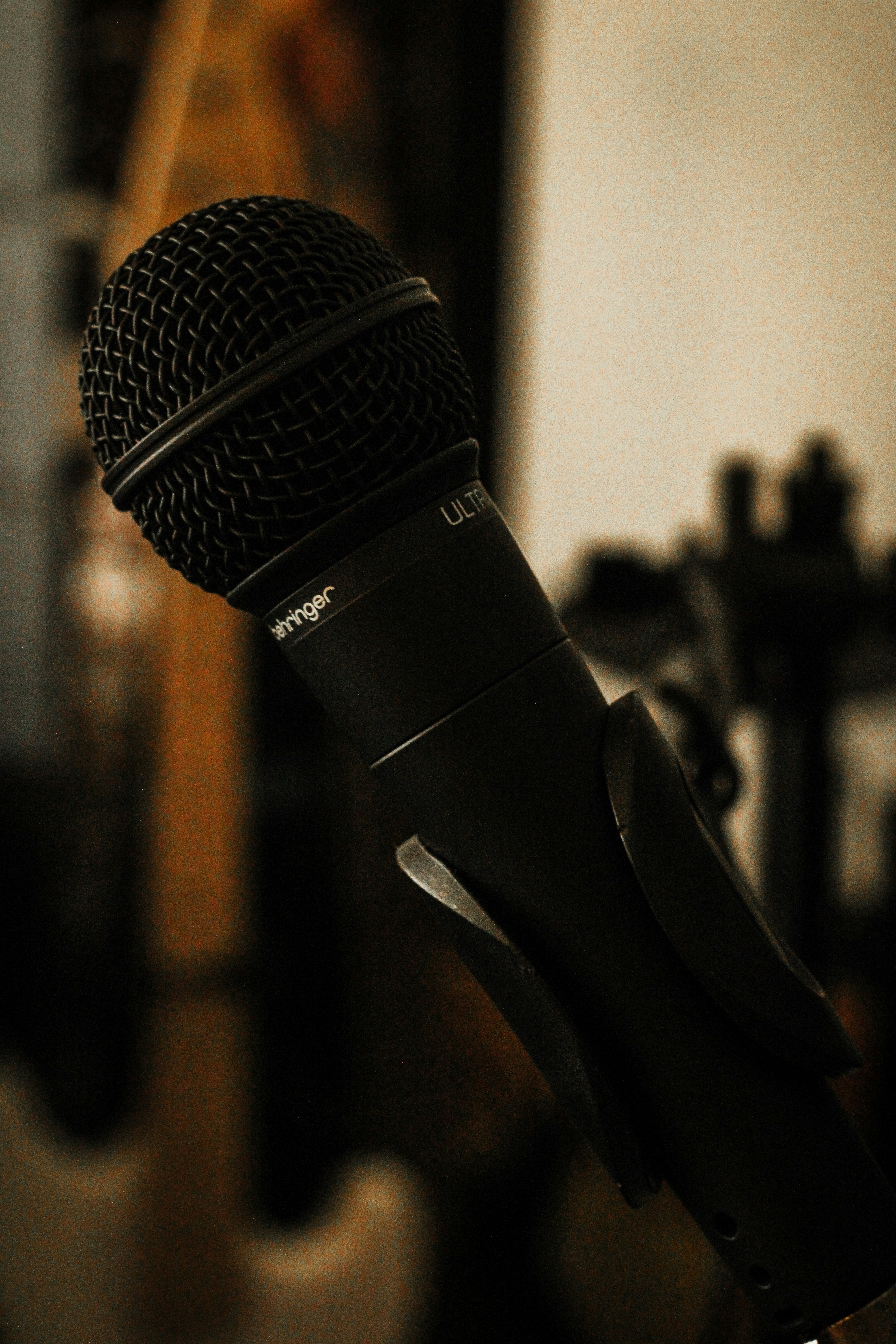
Introduction to Microphonology
Microphonology is an integral discipline within the realms of music technology and sound recording that focuses on the science and art of microphones and their applications. This field explores how microphones function and the crucial role they play in capturing audio accurately. As the gateway through which sound enters the recording medium, the selection of the right microphone can significantly influence the quality of the recorded output. Various factors encompass microphone choice, including the type of sound source, the acoustics of the recording environment, and the desired tonal characteristics.
Understanding the principles of microphonology is essential for sound engineers, musicians, and producers alike. The right microphone can effectively capture a performance’s nuances, allowing for a more immersive listening experience in the final mix. Different microphones have distinct characteristics – be it condenser, dynamic, or ribbon – each serving specific purposes. A condenser microphone is often favored in studio settings for vocals and acoustic instruments due to its sensitivity and wide frequency response. In contrast, dynamic microphones are commonly utilized for live sound applications, delivering durability and the ability to handle high sound pressure levels.
The importance of proper microphone selection extends beyond merely choosing a device; it also encompasses understanding the various pickup patterns, frequency response curves, and noise handling capabilities that a microphone offers. Each of these elements plays a vital role in how sound is captured, processed, and eventually reproduced. As we delve deeper into the intricacies of microphonology, we will explore these factors in detail, illustrating their relevance in real-world recording scenarios and how they contribute to achieving high-quality sound.
Understanding Different Types of Microphones
Microphones are essential tools in various audio applications, and understanding the different types helps to select the right one for specific needs. The most common types include dynamic, condenser, ribbon, and lavalier microphones, each with unique characteristics and optimal use cases.
Dynamic microphones are renowned for their durability and ability to handle high sound pressure levels without distortion. This makes them particularly suitable for live performances and environments where background noise is a factor. Commonly used for vocals and amplified instruments, dynamic microphones excel in situations where ruggedness and reliability are paramount.
On the other hand, condenser microphones are favored for their sensitivity and wide frequency response. They require external power, typically provided by a battery or phantom power from an audio interface. The superior audio quality of condenser microphones makes them the top choice for studio recordings, especially for capturing vocals and acoustic instruments. Their ability to pick up subtle details allows for a more nuanced sound.
Ribbon microphones bring a vintage warmth to recordings with their unique design. They are often used in professional studio settings due to their smooth frequency response and natural sound reproduction. Although ribbon microphones are more fragile compared to dynamic and condenser types, they are ideal for recording vocals, brass, and strings in controlled environments where their subtle properties can shine.
Lavalier microphones, or lapel mics, are small and discreet, making them popular among presenters and filmmakers. They can be clipped onto clothing, providing hands-free operation while capturing clear audio. Their compact size and ability to blend into a scene are crucial for interviews, speeches, and other situations where visibility is a concern.
Each microphone type offers distinct advantages, catering to various audio needs. By understanding their characteristics, users can make informed decisions for optimal results in their specific projects.
Factors to Consider When Selecting a Microphone
Selecting the appropriate microphone for a particular application is a nuanced decision that can significantly affect audio quality. One of the first considerations is the frequency response of the microphone. Different microphones exhibit varied frequency ranges, which influence how accurately they can capture sound. Depending on the intended use, it is essential to choose a microphone that aligns with the frequency range of the source being recorded. For example, vocals typically benefit from microphones with enhanced clarity in the midrange frequencies, while instruments, such as drums or bass, may require a wider frequency range.
Another critical aspect of microphone selection is the polar pattern, which determines how the microphone picks up sound from different directions. Common polar patterns include cardioid, omnidirectional, and bidirectional. A cardioid microphone is ideal for isolating sound sources while minimizing background noise, making it favorable for live performances or recording in untreated spaces. Conversely, omnidirectional microphones capture sound equally from all angles and are often used in situations where ambient sound is desirable, such as recording group performances or environmental sounds.
Sensitivity also plays a vital role in microphone selection. This factor refers to how effectively a microphone converts sound waves into an electrical signal. High-sensitivity microphones are suitable for capturing quiet sounds or nuanced performances, whereas low-sensitivity microphones may be better suited for louder sources, reducing the risk of distortion. Understanding the environment in which the microphone will be used, whether in a studio, live venue, or field recording, will help determine the sensitivity required for optimal performance.
Finally, intended use should be a paramount consideration. Whether for studio recording, podcasting, or live sound, each application may necessitate different microphone characteristics. Evaluating these factors—frequency response, polar patterns, sensitivity, and intended use—will equip you with the knowledge to make an informed choice about microphone selection, ensuring optimal audio capture for your specific needs.
Matching Microphones to Instruments and Vocals
When selecting microphones for various instruments and vocal types, understanding the unique characteristics and requirements of each source is crucial. Different microphones have distinct tonal qualities and pickup patterns that can greatly influence the recording outcome. For instance, dynamic microphones are often preferred for loud sound sources such as drums and electric guitars due to their durability and ability to handle high sound pressure levels. A popular choice includes the Shure SM57, known for its versatility in live and studio environments.
On the other hand, condenser microphones are a favored option for vocals and acoustic instruments, as they capture a wider frequency range and more detail, creating a more nuanced sound profile. The Audio-Technica AT2020 is a notable example, offering clarity and warmth that is well-suited for vocals and string instruments. For woodwinds and brass, special attention should be given to the type of microphone used, as these instruments often benefit from microphones with a flatter frequency response, allowing for accurate reproduction of the subtle tonal qualities inherent to their sound. The Neumann KM184 is a reputable choice in such scenarios.
Moreover, when recording vocals, it is imperative to consider the singer’s vocal characteristics. For instance, brighter or more sibilant voices might pair better with microphones that feature a smooth high-frequency roll-off, such as the Shure KSM32. Conversely, darker voices may benefit from microphones that emphasize clarity and brightness. Ultimately, experimenting with different microphone placements and types, such as using a combination of dynamic and condenser microphones, can yield optimal results across diverse recording scenarios.
Properly matching microphones to specific instruments and vocal types not only enhances the clarity and fidelity of recordings but also contributes significantly to the overall sonic texture of music production.
Considerations for Live Sound vs. Studio Recording
When it comes to microphone selection, understanding the distinct needs of live sound environments compared to studio recordings is crucial. Each setting imposes unique challenges and requirements, influencing the choice of microphones. Live sound applications typically involve amplifying sound for an audience, where factors such as feedback, ambient noise, and on-stage dynamics need to be taken into consideration. In this context, dynamic microphones, known for their durability and resistance to feedback, often emerge as the preferred choice. They excel in loud environments, making them ideal for capturing vocals and instruments without compromising sound quality.
Conversely, studio recording offers a more controlled environment, allowing for greater accuracy in sound capture. Here, the subtle nuances of voice and instrument sound can be explored in-depth. Condenser microphones are frequently favored for studio use due to their sensitivity and wider frequency response, which can effectively capture intricate details that would otherwise be lost in a live setting. This classification allows engineers to exploit various recording techniques, such as multi-miking, which can provide a richer sound palette.
Aside from the technical specifications of microphones, it is essential to consider the specific requirements of the performance or recording. For example, in a live concert, the need for mobility and quick setup often takes precedence, thereby influencing the choice of equipment. On the other hand, in a studio session, sound isolation and the ability to experiment with positioning and effects heighten the importance of selecting the right mic. Ultimately, a clear understanding of the context in which the microphone will be used is vital to making informed decisions that enhance the overall sound quality, regardless of the environment.
The Impact of Environment on Microphone Choice
When selecting a microphone, understanding the recording environment is crucial to achieving optimal sound quality. The acoustics of a room play a significant role in determining how audio is captured and reproduced, thus affecting the overall output of any recording project. Different spaces possess unique acoustic characteristics that can either enhance or detract from audio clarity and richness.
To accurately assess the environment, one must first evaluate the room’s acoustics. Hard surfaces, such as tiled floors or bare walls, can create echoes and unwanted reflections, leading to a muddled sound. Conversely, soft furnishings like carpets, curtains, and acoustic panels can help to absorb sound, minimizing reverberations and providing a cleaner audio signal. Understanding the balance between reflective and absorptive surfaces is essential when determining which microphone would function best in a particular environment.
Background noise is another crucial element to consider when selecting a microphone. In environments where external sounds, such as traffic or electrical hum, are prevalent, it is vital to use a microphone with a directional pickup pattern. These microphones are designed to capture sound coming from a specific direction while rejecting unwanted noise from other angles. This feature is especially beneficial in locations that are not soundproofed, as it helps to isolate the primary audio source for a clearer recording.
The placement of the microphone within a space also significantly impacts sound quality. Positioning the microphone closer to the sound source minimizes the connectivity to ambient noise and enhances clarity. Ultimately, understanding how to assess room acoustics, controlling background noise, and optimizing microphone placement can profoundly improve recording outcomes. By carefully considering both the recording environment and the microphone’s specifications, one can achieve a superior sound that aligns with the project’s objectives.
Budgeting for Microphone Purchases
When it comes to microphone purchases, understanding budgeting is crucial for both amateur and professional sound engineers. The range of microphones available on the market covers various price points, each serving different needs and applications. Typically, microphones can be categorized into three distinct price ranges: budget-friendly, mid-tier, and high-end.
In the budget-friendly category, which generally encompasses microphones priced under $100, musicians and sound engineers can find entry-level options suitable for basic recording needs. These microphones are often dynamic models, known for their durability and ability to handle high sound pressure levels. While they may lack some of the advanced features found in pricier models, they provide reasonable quality for home studios or practice settings. Notable options include the Shure SM57 and Audio-Technica ATR2100, both well-regarded for their affordability and performance.
Moving to the mid-tier range, which falls between $100 to $500, users can expect significant improvements in sound quality and versatility. Condenser microphones often dominate this category, making them ideal for vocals and intricate musical recordings. Models such as the Rode NT1-A and AKG P220 offer a balance of quality and price, providing a substantial upgrade for those seeking a professional edge without breaking the bank.
For those willing to invest higher amounts, high-end microphones exceeding $500 typically offer superior audio fidelity, build quality, and advanced features like interchangeable capsules. Brands like Neumann and Sennheiser are synonymous with premium products in this category, often employed in professional studios globally. Budgeting effectively will help sound engineers and musicians choose a microphone that not only meets their needs but also aligns with their financial capabilities, ultimately enhancing their recording experience.
Testing and Finalizing Your Microphone Selection
Choosing the right microphone can significantly impact the quality of your recordings, but selecting the perfect one requires careful testing and evaluation. To commence the testing process, it is essential to gather a selection of microphones that align with your specific needs. This might include dynamic mics, condenser mics, or ribbon mics, depending on the intended recording purpose. Once you have a variety of options, consider setting up a controlled environment that minimizes external noise and interference.
One effective technique for testing microphones involves conducting listening sessions where you record the same audio source with each microphone. This could be a vocalist, an instrument, or any sound you frequently work with. By using the same settings, you can make direct comparisons of both tonal quality and overall sound capture. It is advisable to keep a consistent distance from the audio source, as proximity can drastically alter the sound captured by each microphone.
While auditioning each microphone, take notes based on specific criteria such as clarity, warmth, and presence. Pay attention to characteristics like sibilance and bass response, as these factors can drastically influence the final output. Listening critically during playback will help you identify the subtleties in how different microphones convey the sound, enabling you to make informed decisions.
Incorporating a second opinion can also be beneficial; involve a colleague or fellow audio engineer to provide feedback during the evaluation stage. This could lead to insights you might overlook. After thorough testing, reflect on your findings and select the microphone that aligns best with your audio goals. Ultimately, thoughtful testing will ensure that you finalize a microphone selection that enhances your recordings and meets your specific requirements.
Conclusion and Key Takeaways
In the realm of music production, the selection of the right microphone plays a pivotal role in capturing quality sound. Throughout this discussion, we have explored various factors that influence microphone choice, including purpose, microphone types, directivity patterns, and the environments in which they operate. Understanding these elements allows sound engineers and musicians alike to make informed decisions that enhance audio quality.
One of the primary takeaways is the significance of aligning the microphone type with the intended application, whether it be studio recording, live performance, or field recording. Each microphone type, including condensers, dynamics, and ribbons, offers unique characteristics that suit different recording scenarios. Additionally, recognizing the importance of polar patterns assists in isolating sound sources effectively while minimizing unwanted noise, leading to a clearer audio capture.
Moreover, considering the acoustic environment is essential; utilizing the right microphone can drastically alter the tone and overall sound quality of the recording. Factors such as room acoustics and proximity effects should be acknowledged to achieve an optimal sound. Hence, experimenting with mic placement and various microphones in different conditions is often valuable for discovering the ideal settings.
As we summarize our insights, it is evident that thoughtful microphone selection is integral to successful audio production. By focusing on the characteristics of different microphones and the specific requirements of each project, musicians and audio engineers can significantly improve their sound quality. As you venture into your music technology pursuits, remember these insights to guide your microphone choices and elevate your audio productions to the next level.